
Varicose Vein Treatment: Symptoms, Methods and Recovery
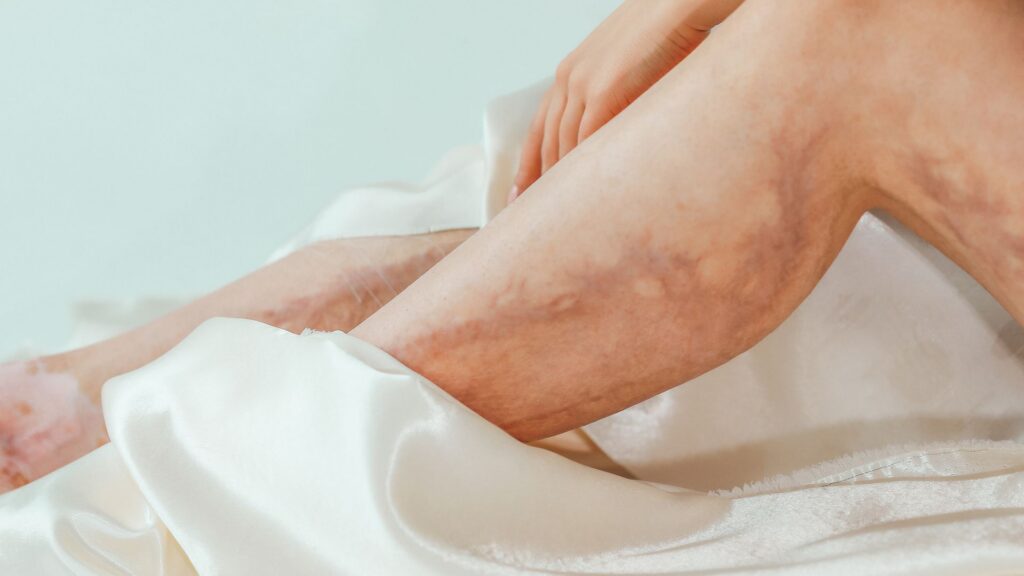
Varicose vein treatment addresses symptoms and vein changes caused by impaired leg-vein valves, with the method chosen after clinical assessment and duplex ultrasound. Laser, radiofrequency ablation, foam sclerotherapy and, in selected cases, surgery may be considered. Recovery is often relatively quick after minimally invasive treatment, but aftercare and outcomes vary by procedure and person.
- Varicose veins can cause heaviness, aching, itching, swelling and visible twisted blue or purple veins in the legs.
- Duplex ultrasound helps identify abnormal backward blood flow and guides selection of a suitable treatment method.
- Many suitable varicose veins can be managed with minimally invasive techniques such as endovenous laser, radiofrequency ablation or foam sclerotherapy.
- Home measures may ease symptoms for some people, but they do not usually correct the valve dysfunction behind established varicose veins.
- Sudden one-sided leg swelling with chest pain, breathlessness, fainting or coughing blood requires calling 112.
Varicose vein treatment covers the assessment and management of enlarged superficial leg veins, usually linked to valves that no longer keep blood moving efficiently towards the heart. Because symptoms, appearance and underlying reflux patterns differ from person to person, varicose vein treatment options are planned after clinical examination and ultrasound findings rather than from appearance alone.
Varicose Vein Treatment: Symptoms, Methods and Recovery in Practice
Treatment planning begins with working out which vein is refluxing, how far the problem extends and how much it affects daily life. A physical examination gives useful information about visible veins, swelling and skin condition, but colour Doppler ultrasound is what shows the direction of blood flow and which valves are failing. The results of that scan usually determine whether a vein is treated, and by which technique.
For suitable veins, minimally invasive vein procedures performed through the vein itself are commonly considered. Thermal techniques close a refluxing vein from the inside, while injection-based treatment is often chosen for smaller surface veins.
Traditional open vein surgery has not disappeared; it may still be discussed when anatomy is unusual or when catheter-based approaches are less appropriate.
Several factors influence the plan at the same time: the diameter and depth of the vein, whether symptoms such as aching or swelling are present, whether the skin shows signs of long-standing venous pressure, and the person’s general health. Two people with similar-looking veins can therefore be advised differently.
Expectations for recovery after vein treatment also vary by method. Many procedures are carried out under local anaesthesia and allow a return to light daily activity fairly soon, although bruising, tightness or tenderness along the treated vein can occur. A clinician examination remains necessary before any of these options is considered suitable for a particular person.
Varicose Vein Symptoms in Legs
Leg symptoms associated with varicose veins often include heaviness, dull aching, tiredness, itching, swelling that builds up through the day, night cramps and blue or purple twisted veins visible at the surface. Varicose veins are one visible expression of chronic venous disease, sometimes called venous insufficiency, which simply means that blood is not returning from the legs as efficiently as it should.
Many people notice that discomfort increases after long periods of standing or sitting still, and eases with walking, lying down or raising the legs. These patterns are common but not universal, and some people with clearly visible veins report very little discomfort at all.
Severity of symptoms does not reliably match how prominent a vein appears. A small vein can be uncomfortable, while a large bulging vein may cause little discomfort, so appearance alone does not establish the cause of leg symptoms. Visible vessels can also arise in other contexts: prominent athlete veins are usually related to low body fat and increased blood flow during training rather than to valve failure, which is one reason assessment matters before assuming a vein is varicose.
What Causes Varicose Veins?
Varicose veins develop when the one-way valves inside superficial leg veins stop closing properly, so blood pools instead of moving steadily back towards the heart. Pressure inside the vein rises, the vein wall stretches, and the vessel gradually becomes wider and more twisted. This process tends to be slow, which is why many people notice veins long after the underlying change has started.
Several factors are associated with a higher likelihood of varicose veins. A family history is among the most frequently mentioned, since vein wall and valve structure appear to run in families. Ageing, pregnancy, carrying excess weight and low levels of physical activity are also commonly linked. Prolonged standing during long working shifts is one possible contributing exposure rather than a cause on its own, and the same applies to long periods of sitting.
Hormonal influences help explain why varicose veins are seen more often in women, particularly around pregnancy. None of these factors is decisive by itself; most people with varicose veins have a combination of predisposition and everyday circumstances.
It is also worth being realistic about prevention. Regular movement, weight management and avoiding long static periods may support comfort and general vein health, but they cannot reliably reverse valve dysfunction once it is established. Where reflux is already present, these measures work alongside medical assessment rather than replacing it.
Varicose Veins vs Spider Veins
Spider veins are small red, blue or purple vessels sitting just beneath the skin surface, usually in fine branching patterns, whereas varicose veins are larger superficial veins that have become enlarged, bulging and twisted. The difference is mainly one of size and depth, although the two often appear in the same leg.
Spider veins may be purely cosmetic, or they may cause mild local burning or itching. Varicose veins are more frequently associated with reflux and with symptoms such as heaviness or swelling, though this is not a fixed rule and assessment remains individual. Not every visible vessel requires treatment; symptoms, skin findings and duplex ultrasound together help clarify whether underlying reflux is present.
When treatment is appropriate for smaller surface veins, foam sclerotherapy may be considered, either on its own or combined with treatment of a larger refluxing vein in the same leg.
When Does Varicose Vein Pain Need Urgent Attention?
Varicose vein pain is usually described as aching, throbbing, heaviness or a burning sensation that becomes more noticeable later in the day, but new or severe leg pain can have more than one explanation and should not automatically be attributed to visible veins.
Sudden one-sided leg swelling accompanied by chest pain, breathlessness, fainting or coughing up blood requires calling 112. These symptoms do not confirm a complication of varicose veins, but they can indicate serious vascular or cardiopulmonary problems and need urgent evaluation.
Other findings are less dramatic yet still deserve timely clinical assessment rather than watchful waiting. Persistent ankle swelling, darkening or brown discolouration of the skin around the lower leg, eczema-like irritation over a vein, bleeding from a surface vein, or a wound that does not heal can all reflect long-standing venous pressure. Changes of this kind tend to be progressive, and earlier assessment usually gives more options.
Pain that appears suddenly in one calf, with new swelling, warmth or marked tenderness, should also be evaluated promptly at a medical facility, as it may have a cause unrelated to varicose veins.
Varicose Veins During Pregnancy
Varicose veins frequently become more noticeable during pregnancy, because hormonal changes affect the vein wall while the growing uterus increases pressure on pelvic and leg veins, making venous return from the legs harder. Many women first notice visible veins or evening ankle swelling in the second half of pregnancy.
Supportive measures are generally conservative. Regular comfortable movement, avoiding long periods standing or sitting in one position, and elevating the legs when resting may help with heaviness and swelling. Compression garments can be useful for some women, but the type and fit are best discussed with the maternity team or a vascular clinician rather than chosen independently.
The timing of any assessment or intervention is individual. Symptoms, skin changes and any concern about clotting — particularly one-sided swelling or calf pain — should be raised with the responsible clinician without delay. It is also realistic to expect mixed outcomes afterwards: some veins become less prominent in the months following delivery, while others persist and may be reassessed later.
Can Varicose Vein Treatment Be Done Without Surgery?
Many varicose veins can be managed without traditional open surgery, using catheter- or injection-based techniques, although the appropriate option depends on the vein pattern and duplex ultrasound findings rather than on patient preference alone. Where reflux is confined to a treatable superficial vein, catheter-based options are often the first discussed.
Endovenous laser ablation and radiofrequency ablation work on the same principle: controlled heat is delivered through a thin fibre or catheter placed inside the refluxing vein, the vein wall seals, and the closed vein is gradually absorbed by the body. The practical difference lies in the energy source — laser light in one case, radiofrequency energy in the other — and the choice is usually guided by vein anatomy and clinical judgement.
Foam injection treatment takes a different approach. A medication in foam form is injected into selected superficial veins to close them, and it can be used alone for smaller vessels or alongside thermal treatment of a larger vein in the same session plan.
Open approaches have not become obsolete. Conventional surgery may still be discussed for certain anatomical patterns, very large or tortuous veins, or situations where catheter-based techniques are less suitable.
Minimally invasive procedures are frequently performed under local anaesthesia, and for many patients returning home the same day is possible; with radiofrequency treatment in particular, most people can resume ordinary daily activity the same day. Arrangements still vary with the method used, the number of veins treated and individual health factors.
What Does Recovery After Varicose Vein Treatment Involve?
Recovery after minimally invasive varicose vein treatment is often relatively quick, but it is not entirely symptom-free: bruising along the treated vein, a sensation of tightness or pulling, and local tenderness are commonly reported, and the pace of recovery differs by method and by person.
Aftercare usually centres on movement and compression. Walking regularly, avoiding long periods of immobility and wearing compression stockings for the period advised by the treating clinician are standard parts of the plan. Elevating the legs when resting can help with swelling in the early days.
Strenuous sport, heavy lifting and intense gym work are generally avoided at first, with a gradual return to activity guided by the procedure performed and by clinical advice. Rather than fixed day counts, most clinicians give individual guidance, since what is reasonable after treatment of a single vein may differ from a more extensive plan.
Follow-up has a practical purpose. A review appointment allows the clinician to confirm closure of the treated vein where relevant, to address residual surface veins that may still be visible, and to discuss recurrent symptoms. Over the longer term, new varicose veins can develop in previously healthy veins, which is why regular movement, weight control and periodic checks remain part of managing venous health. Expectations are best set during the pre-procedure consultation.
Can Varicose Veins Be Managed at Home?
Home measures can reduce discomfort for some people, but they generally do not close an enlarged refluxing vein or correct valves that have already failed. Their role is supportive rather than curative.
Realistic measures include regular walking, weight management where appropriate, taking movement breaks during long periods of sitting or standing, and raising the legs for temporary relief of evening swelling. Comfortable footwear and avoiding prolonged static postures may also help with symptom control.
Creams deserve a direct answer: no topical product can be assumed to treat the venous reflux responsible for varicose veins, although a moisturiser may soothe dry or itchy skin. Compression products bought without advice are another common issue; selection should involve a clinician when there is any concern about arterial circulation, significant pain or established skin changes, since inappropriate compression can be unhelpful.
New symptoms, progressive swelling, changes in skin colour or a wound that does not heal warrant medical assessment rather than continued self-treatment. Suitability for any intervention is determined through examination and Doppler ultrasound assessment carried out by Op. Dr. Arzu Ercan, with patient evaluation taking place in Istanbul at Acıbadem Kozyatağı Hospital.
Frequently Asked Questions
Do varicose vein treatment creams work?
Creams may temporarily moisturise itchy or dry skin, but they do not correct faulty vein valves or reliably remove varicose veins. Persistent symptoms or skin changes should be assessed clinically.
How long does varicose vein surgery take?
Procedure time varies with the method, the number of veins involved and the individual treatment plan. Minimally invasive procedures are commonly shorter than traditional surgery, but the expected duration is confirmed during assessment.
Can varicose veins cause calf pain?
Varicose veins can contribute to aching, heaviness or throbbing in the calf, especially after standing. Sudden new calf swelling or severe pain needs urgent medical assessment, because it may have another cause.
Can varicose vein symptoms affect the feet?
Venous symptoms can include swelling around the ankle and foot, particularly later in the day. Foot symptoms may also have non-venous causes, so persistent or one-sided changes should be evaluated.
Does standing for long hours increase varicose vein risk?
Long periods of standing may contribute to venous pressure and can worsen symptoms in people who are predisposed. It is one factor among several, including family history, pregnancy and age.
Will treated varicose veins come back?
A successfully treated vein can remain closed, but new varicose veins or symptoms may develop in other veins over time. Follow-up and practical measures such as regular movement help with long-term venous health.