
Peripheral Artery Disease Symptoms: Leg Pain, Skin Signs and Causes
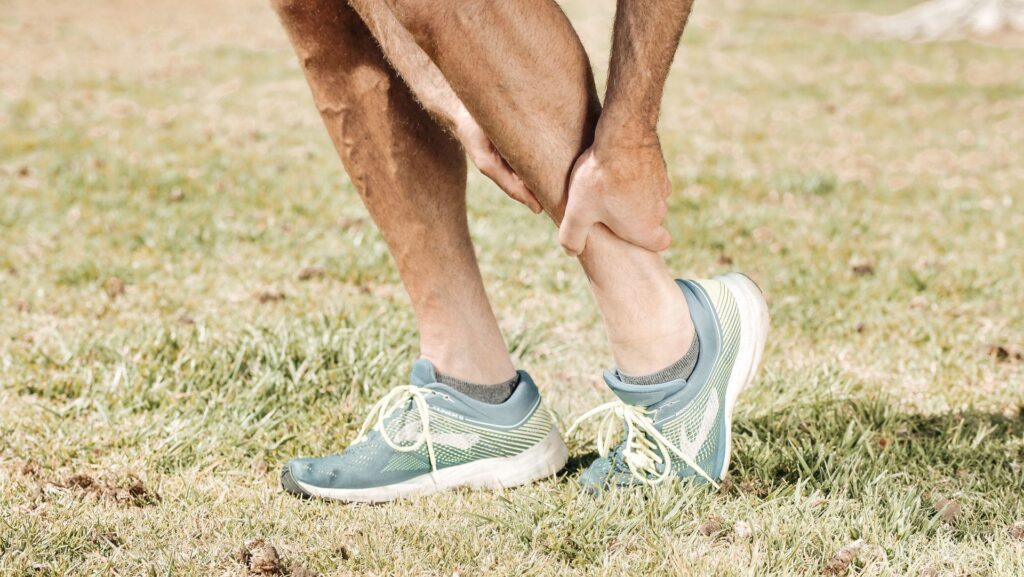
Peripheral artery disease (PAD) symptoms usually begin as cramping, aching or heavy fatigue in the calf, thigh or buttock after walking a predictable distance, easing within a few minutes of rest (intermittent claudication). Later signs include a persistently cold or discoloured foot, slow-healing toe sores and pain in the forefoot at rest, which signal severely reduced circulation and need prompt assessment. Early PAD may cause no symptoms at all.
- Peripheral artery disease often causes cramping or fatigue in the calf, thigh, buttock, or hip during walking that improves after resting.
- A shorter walking distance, a cold or discoloured foot, and reduced leg hair can be clues to reduced arterial blood flow.
- Pain in the toes or forefoot at rest and wounds that do not heal may indicate severe limb ischaemia and warrant prompt assessment.
- Smoking, diabetes, high blood pressure, high cholesterol, and older age are important factors associated with peripheral artery disease.
- Diagnosis commonly combines clinical examination, pulse assessment, an ankle-brachial index, and imaging when needed to guide care.
Peripheral artery disease (PAD) symptoms most often begin as cramping, aching or heavy fatigue in the calf, thigh or buttock that appears after walking a predictable distance and eases within a few minutes of rest, a pattern known as intermittent claudication. Later signs include a foot that stays cold or changes colour, sores on the toes that are slow to heal, and pain in the forefoot at rest. PAD is caused by narrowing of the arteries that supply the legs, usually through atherosclerosis, and it is assessed differently from the heaviness, swelling and bulging veins of venous disease, which are covered under varicose vein treatment.
PAD symptoms at a glance
| Symptom or sign | What it typically feels or looks like | What it may indicate | How quickly to seek assessment |
|---|---|---|---|
| Leg pain when walking (intermittent claudication) | Cramping, aching or tightness in the calf, thigh or buttock after a predictable distance; settles within two to three minutes of standing still | A narrowed artery cannot meet the muscle’s demand during exercise | Routine outpatient assessment |
| Shrinking walking distance | Having to stop sooner on a familiar route than before | Progression of arterial narrowing | Outpatient, without long delay |
| Cold, pale or bluish foot; numb or tingling toes | One foot persistently cooler or differently coloured than the other | Reduced arterial flow (not specific on its own) | Outpatient |
| Hair loss on the lower leg, slow nail growth, thin shiny skin | Gradual change over months | Long-standing poor perfusion (not specific on its own) | Mention at assessment |
| Toe or foot wound that will not heal | A cut, graze or sore that enlarges or fails to heal in the expected time | Markedly reduced blood supply; risk of tissue damage | Prompt assessment within days |
| Pain in the forefoot or toes at rest | Burning or aching at night, eased by hanging the foot over the side of the bed | Chronic limb-threatening ischaemia (CLTI) | Prompt assessment |
| Sudden severe pain with a cold, pale or mottled, numb or weak leg | Abrupt onset over minutes to hours | Acute limb ischaemia | Emergency: call the local emergency number (112 in Türkiye) |
What is peripheral artery disease?
Peripheral artery disease describes narrowing or blockage of the arteries that carry blood to parts of the body other than the heart and brain, most often the arteries supplying the legs. It usually develops slowly through atherosclerosis, the build-up of fatty plaque in the artery wall, and it shares its risk factors and much of its mechanism with coronary and carotid artery disease.
PAD may cause no complaints at all in its earlier stages. At rest the leg muscles need relatively little oxygen, so a narrowed artery can still deliver enough blood and the person feels normal. The mismatch between supply and demand becomes apparent only when activity increases. This is why PAD is often described as a condition that announces itself through walking rather than through how the legs feel while sitting or lying down.
What are the symptoms of peripheral artery disease?
The classic symptom is intermittent claudication: predictable cramping, aching, tightness or heavy fatigue in a leg muscle that appears during walking or stair climbing and eases with rest. The discomfort is reproducible, which means it tends to appear after a fairly similar level of effort each time rather than striking at random.
The site of the discomfort varies, and the level at which an artery is narrowed often influences where the muscle complains. Calf symptoms are the most frequently described, but hip and buttock aching during walking can reflect narrowing higher in the arterial system. Many people report that symptoms settle within roughly two to three minutes of stopping, though individual patterns differ and some need longer.
| Where the walking pain is felt | Level of narrowing it most often suggests |
|---|---|
| Calf | Thigh-level arteries (femoral or popliteal segment) |
| Thigh | Upper thigh or pelvic arteries (femoral or iliac segment) |
| Buttock and hip, sometimes both sides | Pelvic arteries or lower aorta (aorto-iliac segment) |
A useful distinction is whether the discomfort is clearly linked to effort. Pain that is present while sitting, that varies with posture, or that comes on without any activity has a wider range of possible explanations and cannot be attributed to arterial narrowing from the symptom description alone. Equally, a reproducible walking pain does not confirm PAD on its own, and leg heaviness that worsens through the day is more typical of the venous problems addressed by varicose vein treatment.
One functional change worth reporting is a shrinking walking distance. If a person previously walked a particular route comfortably and now has to stop halfway, that gradual reduction is clinically meaningful information, even when the pain itself feels mild.
What are the signs of PAD in the feet and skin?
Reduced arterial flow can, over time, alter the appearance and temperature of the leg and foot. A foot that feels persistently cooler than the other, numbness or tingling in the toes, pale or bluish-purple colour changes, thinning of hair on the lower leg and toenails that grow more slowly than before are all signs that have been associated with impaired circulation.
None of these findings is specific in isolation. Cold feet, dry skin and reduced leg hair occur for many reasons, including age, skin conditions, nerve problems and simple variation between individuals. They carry weight when they are interpreted alongside pulse examination at the groin, behind the knee, and at the foot and ankle, together with the symptom history.
More concerning are small cuts, grazes or sores on the toes and feet that fail to heal within the expected time, or that gradually enlarge. Poor healing can indicate that the blood supply is markedly reduced, and in some cases tissue damage follows. Skin breakdown around the ankle, by contrast, is more often venous in origin and is assessed as a venous leg ulcer rather than an arterial one.
Pain felt in the forefoot or toes at rest, particularly at night when the leg is elevated in bed and relieved by hanging the foot down, is generally regarded as more serious than exertional cramping. Together with non-healing wounds it defines chronic limb-threatening ischaemia (CLTI, previously called critical limb ischaemia): the tissues lack oxygen even without activity, and the situation merits prompt medical assessment rather than watchful waiting.
How do the stages of PAD progress?
Clinicians often describe PAD using the Fontaine classification, which links symptoms to severity. It is a descriptive scale rather than a prediction for an individual, but it explains why rest pain and wounds are treated with more urgency than walking pain.
| Fontaine stage | Symptoms | What it means |
|---|---|---|
| Stage I | No symptoms | Narrowing present but blood flow still meets demand |
| Stage IIa | Claudication after walking more than about 200 metres | Mild to moderate limitation |
| Stage IIb | Claudication after less than about 200 metres | More limiting narrowing |
| Stage III | Pain in the foot or toes at rest | Chronic limb-threatening ischaemia |
| Stage IV | Ulcer or tissue loss on the foot or toes | Chronic limb-threatening ischaemia with wounds |
Why does peripheral artery disease develop?
Peripheral artery disease most often develops when atherosclerotic plaque gradually narrows the arteries supplying the legs. Cholesterol and other fatty material accumulate within the artery wall, the wall thickens and stiffens, and the channel available for blood flow becomes smaller. The process typically takes years and often causes little or no discomfort in its early phases.

The link to symptoms follows directly from this mechanism. At rest, a narrowed artery may still deliver enough oxygenated blood for the muscle’s modest needs. During walking, climbing or carrying, oxygen demand rises sharply, but a narrowed artery cannot increase supply proportionally. The muscle works in a relative oxygen deficit, and cramping or aching results until rest restores the balance.
Atherosclerosis is not the only reason limb blood flow can fall. Less commonly, inflammatory arterial conditions, arterial injury, embolism or anatomical compression of an artery may be responsible. Clot-related events in the limb are assessed differently from gradual narrowing, much as deep vein thrombosis is assessed on its own terms. Because these causes behave differently and may affect younger people, the pattern of symptoms and the findings on examination matter as much as the presence of known risk factors.
Who is more likely to develop PAD?
Smoking is the single most important modifiable risk factor for peripheral artery disease, because tobacco smoke damages the inner lining of arteries and accelerates plaque formation. Both current smoking and a long history of past smoking are relevant.
Other factors commonly associated with higher risk include diabetes, high blood pressure that is not well controlled, raised cholesterol, increasing age and a family history of arterial disease appearing at a relatively young age. Chronic kidney disease and obesity are also frequently mentioned in this context.
These factors often occur together, and their effects tend to add up rather than act in isolation. Risk factors matter for a second reason as well: the arterial changes that narrow leg vessels rarely confine themselves to the legs, so PAD may coexist with atherosclerosis in the coronary arteries or with narrowing of the carotid arteries. Assessment therefore usually looks beyond the limb itself.
At the same time, risk factors are not a diagnosis. Many people with several of them never develop limiting leg symptoms, and PAD occasionally appears in people with few conventional risks. Symptoms and examination findings remain the starting point.
How is PAD different from varicose veins and other causes of leg pain?
Walking pain has several possible sources, and the two most often confused with PAD are chronic venous disease and spinal narrowing. The pattern of the pain, what relieves it and what the examination shows usually separate them, although more than one condition can be present at once.
| Feature | Peripheral artery disease | Varicose veins / chronic venous disease | Spinal stenosis (neurogenic claudication) |
|---|---|---|---|
| What brings the pain on | Walking a predictable distance | Prolonged standing; worsens through the day | Standing and walking; often both legs |
| What relieves it | Standing still for two to three minutes | Elevating the legs, walking, compression | Sitting down or bending forward, not standing still |
| Where it is felt | Calf, thigh or buttock muscle | Whole lower leg, ankle; heaviness rather than cramp | Buttocks and thighs, often radiating with numbness |
| Leg and skin signs | Cold pale foot, hair loss, slow-healing toe sores | Swelling, bulging veins, brown skin changes and ulcers around the ankle | Numbness or weakness; skin normal |
| Foot pulses | Weak or absent | Normal | Normal |
| Key test | Ankle-brachial index, arterial Doppler | Venous Doppler (duplex) ultrasound | Spine imaging |
How is peripheral artery disease diagnosed?
Diagnosis usually begins with a detailed symptom history, inspection of the legs and feet, and assessment of the pulses by a clinician. Weak or absent pulses at the ankle or foot, a cool or discoloured foot, or skin changes consistent with poor perfusion are important clinical findings that guide what comes next.
The ankle-brachial index (ABI) is a simple non-invasive measurement that compares blood pressure recorded at the ankle with blood pressure recorded in the arm. A ratio of 0.90 or below is generally taken to indicate PAD, and the lower the figure, the more restricted the flow. In some people, particularly those with long-standing diabetes or kidney disease, stiffened arteries can push the figure artificially high, so it is interpreted alongside the rest of the assessment and sometimes supplemented by a toe pressure measurement.
Doppler ultrasound examines flow within the arteries and can show where narrowing lies; the same technique, applied to the veins, is the venous Doppler examination used when varicose veins are the question. Contrast-based imaging, such as CT or MR angiography, may be used to map the arterial anatomy in more detail when the result will influence a decision about treatment. These tests are selected according to the clinical picture rather than performed routinely.
Clinical assessment matters because walking pain has several possible sources. Spinal narrowing, nerve compression, hip or knee arthritis, muscle problems and venous disease can all produce leg discomfort that worsens with activity, and more than one condition may be present at once. The decision about which investigations and which treatment are appropriate should follow a physician’s examination rather than a symptom checklist.
What treatments are used for peripheral artery disease?
Treatment is selected according to how limiting the symptoms are, how severely limb blood flow is reduced, the person’s overall cardiovascular risk and whether there are signs that tissue viability is threatened. For many people with stable walking pain, the first line of care involves no procedure at all.
- Support to stop smoking, which slows progression more than any other single measure.
- A regular, progressively increasing walking programme, supervised where possible, which lengthens pain-free walking distance over months.
- Careful control of blood pressure, cholesterol and blood glucose where diabetes is present.
- Clinician-prescribed medicines to reduce cardiovascular risk and, in selected cases, to help with walking distance.
These measures work gradually and depend on consistency over months rather than weeks. Revascularisation is considered when symptoms remain limiting despite appropriate conservative management, or when blood flow is low enough to threaten the tissues, for example with rest pain or a non-healing wound. Options include angioplasty with or without stenting, performed through a small arterial puncture, and surgical bypass, which redirects blood around a blocked segment. The choice depends on the location, length and character of the narrowing, as well as the person’s general health.
A successful procedure can improve blood flow in suitable cases, but it does not remove the underlying arterial disease. Plaque can progress elsewhere, and treated segments can narrow again, so long-term risk factor management, medication and exercise generally continue afterwards. Every intervention also carries its own risks, including bleeding, vessel injury, infection and the possibility that flow is not restored as hoped, and these are discussed individually before any decision.
What happens after PAD treatment?
Recovery after treatment for peripheral artery disease depends on the type of care involved. When management rests on exercise, medication and risk factor control, there is no recovery period as such, but improvement in walking distance tends to be gradual. After an endovascular procedure, the main early considerations usually relate to the puncture site, while open surgery involves a wound and a longer period of restricted activity.
Follow-up generally includes review of symptoms and walking distance, examination of the pulses, inspection of any wound when relevant, and imaging in selected cases. Continued attention to blood pressure, cholesterol, blood glucose and smoking status remains part of care regardless of which treatment was used.
The pace of return to usual activity varies with the procedure performed, the extent and distribution of the arterial disease, other health conditions and the advice given by the treating clinician. For this reason, timeframes are set individually at follow-up rather than predicted in advance.
When should leg circulation symptoms be assessed urgently?
Three levels of urgency apply.
- Routine outpatient assessment: recurring leg pain brought on by walking, a walking distance that is steadily shortening, a foot that stays cold, or persistent colour change. These are gradual signs, and an appointment without long delay is the appropriate route.
- Prompt assessment within days: pain in the toes or forefoot at rest, especially at night, or a toe or foot wound that is not healing. These suggest chronic limb-threatening ischaemia.
- Emergency: a leg or foot that suddenly becomes severely painful, markedly cold, pale or mottled, numb, or cannot be moved normally. This pattern may indicate acute loss of circulation to the limb, and emergency medical help should be sought by calling the local emergency number (112 in Türkiye) without waiting to see whether symptoms settle.
Assessment of chronic leg circulation symptoms is typically carried out by cardiovascular surgery or vascular medicine services, although a primary-care clinician can begin the evaluation, check pulses and arrange referral where needed. Whether treatment is required, and which form it should take, is decided after examination by Op. Dr. Arzu Ercan, including pulse assessment, ankle-brachial index and Doppler evaluation where indicated, at Acıbadem Kozyatağı Hospital in Istanbul.
Frequently asked questions
What does PAD leg pain feel like?
Most often a cramping, aching or tight, heavy feeling in the calf, thigh or buttock that starts after walking a predictable distance and fades within two to three minutes of standing still. It is reproducible: the same effort tends to bring it on each time. Pain that comes on at rest or with posture changes usually has a different cause.
Can peripheral artery disease cause leg pain at rest?
It can. Pain in the toes or forefoot while resting, particularly at night, may occur when blood flow is severely reduced (chronic limb-threatening ischaemia) and should be assessed promptly.
Can you have peripheral artery disease without symptoms?
Yes. Some people have reduced arterial blood flow in the legs without noticeable complaints, especially when their usual activity level does not raise muscle oxygen demand enough to provoke symptoms.
Can PAD symptoms appear in the feet only?
Yes. A persistently cold or discoloured foot, numb or tingling toes, slow nail growth and sores on the toes that will not heal can be the first noticeable signs, particularly in people with diabetes, in whom walking pain may be absent or masked by nerve damage.
Is calf pain always a sign of peripheral artery disease?
No. Calf pain can also arise from muscle, joint, spinal, nerve or venous problems. A reproducible pattern with walking and relief on rest may raise suspicion of PAD, but it does not confirm it.
What is the ankle-brachial index, and what result suggests PAD?
The ankle-brachial index (ABI) compares the blood pressure at the ankle with the pressure in the arm. A value of 0.90 or below generally indicates PAD; values that are artificially high because of stiff arteries, as can happen in diabetes, are interpreted with additional tests such as toe pressures.
Can peripheral artery disease affect one leg more than the other?
Yes. The severity and location of arterial narrowing can differ between the two legs, so symptoms are often more noticeable on one side.
What is the difference between PAD and varicose veins?
PAD affects the arteries delivering blood to the legs and typically causes walking pain relieved by rest, with a cold foot and weak pulses. Varicose veins involve impaired return of blood through the veins and typically cause heaviness and swelling that worsen with standing and improve with elevation, with normal pulses. Each needs its own assessment.
Can PAD be reversed or does it go away on its own?
Established arterial narrowing does not disappear on its own, but its progression can be slowed and walking distance improved with smoking cessation, a structured walking programme, and control of blood pressure, cholesterol and glucose. Procedures restore flow in selected cases without removing the underlying disease.
Which doctor should I see for PAD symptoms?
A primary-care clinician can check pulses and arrange an ankle-brachial index, and chronic leg circulation symptoms are then assessed by cardiovascular surgery or vascular medicine. Sudden severe leg pain with a cold, pale or numb limb is an emergency and needs the local emergency number (112 in Türkiye) rather than an appointment.