
Recovery After Varicose Vein Treatment: What to Expect
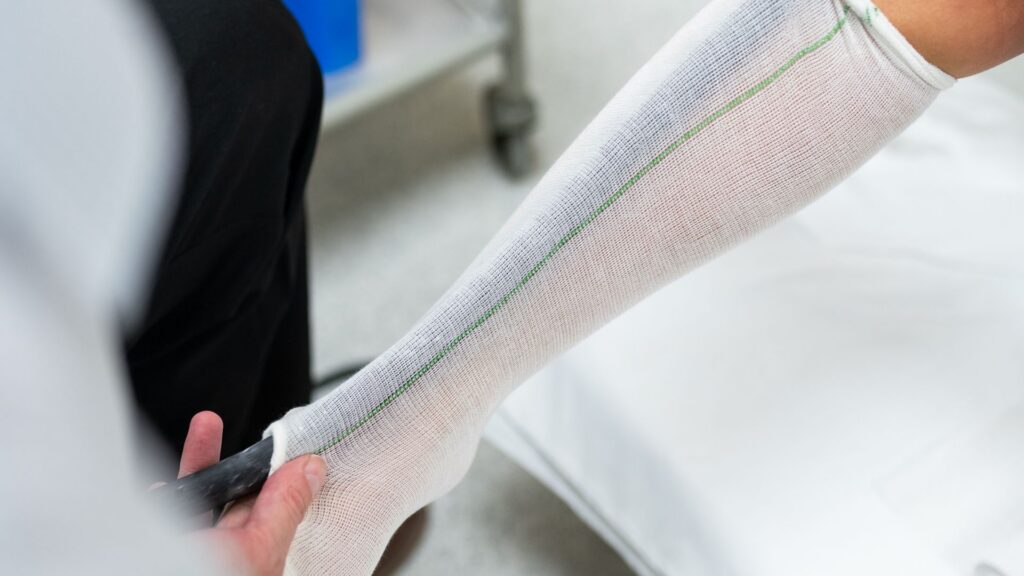
Recovery after varicose vein treatment usually involves early walking, temporary tenderness or bruising, and a compression plan when advised. Many people resume routine activity quickly after minimally invasive treatment, but work, exercise and follow-up timing depend on the technique and individual recovery.
- Gentle walking is commonly encouraged soon after varicose vein treatment because it supports circulation and reduces prolonged inactivity.
- Mild bruising, tenderness and a firm sensation along a treated vein can occur during normal recovery and often improve gradually.
- Compression stockings may be part of recovery care, but the duration and schedule depend on the procedure and clinical advice.
- Many people return to routine work on the same day or the next day after non-surgical treatment, while physically demanding work may require more time.
- Sudden severe pain, marked redness, high fever, one-sided swelling, chest pain or shortness of breath require prompt medical assessment.
Recovery after varicose vein treatment usually follows a predictable pattern, but its pace differs with the technique used, the characteristics of the veins treated and how active a person is day to day. Because the treatment options for varicose veins differ in how they close the vein, aftercare advice is individual rather than fixed.
How long does recovery after varicose vein treatment take?
Most people treated with modern non-surgical methods such as laser, radiofrequency or foam sclerotherapy can stand up and walk shortly after the procedure and return to ordinary daily life the same day. Returning to daily life, however, is not the same as being fully healed; the treated vein continues to change over the following weeks while the surrounding tissue settles.
In the first days, a mild feeling of firmness along the line of the vein, light bruising or tenderness when the skin is touched can occur. These findings are commonly related to the closed vein being gradually absorbed by the body, and they usually ease on their own rather than needing additional treatment.
Mild pain may be felt within the first 24 to 48 hours. In most cases it is manageable with the simple painkillers a physician recommends, and it tends to settle as swelling reduces. Discomfort that steadily increases instead of improving is worth reporting rather than waiting out.
Because the scale of the problem differs from leg to leg, the recovery plan is not standard. The choice of procedure and the personal aftercare instructions that follow it are decided through clinical examination and ultrasound assessment, which is also where realistic expectations about timing are set.
What is recovery after varicose vein ablation like?
Recovery after laser or radiofrequency ablation generally involves getting moving early, with tenderness and day-to-day comfort improving gradually over the following weeks rather than immediately. Walking on the same day is usual, while the leg itself continues to settle quietly in the background.
Ablation is one of the minimally invasive vein procedures and is often described in everyday language as laser vein treatment. Both laser and radiofrequency techniques work by sealing the faulty vein with controlled heat, after which the closed segment is gradually absorbed by the body over time.
During this period a mild pulling sensation along the thigh or calf, tenderness, bruising or a firm cord-like area can be noticed. How long these last varies with the length of vein treated, the depth of the vein and individual healing, so comparisons between patients are rarely helpful.
Strenuous exercise, weightlifting and high-intensity training are commonly avoided for the first two weeks. Gentle activity is encouraged in the same period, and the point at which normal training can resume is confirmed at the follow-up visit.
Recovery after varicose vein injections
Recovery after the injections often searched for as varicose vein injections depends on the size of the veins treated and how extensive the session was; a few small surface veins and a larger truncal vein do not behave the same way afterwards.
Foam sclerotherapy works by creating a controlled reaction on the inner surface of the vein so that its walls stick together and the vein closes. Because this reaction takes place within the vein wall, temporary tenderness, a localised firm area or visible discolouration of the overlying skin can appear in the days that follow.
Mild bruising and discolouration commonly fade within 2 to 4 weeks, though this is a general guide rather than a fixed end point; pigmentation sometimes takes longer to settle, particularly over larger veins. Soothing creams may be suggested by the treating physician during this time.
Pain that is severe, or that grows worse day by day, should not be assumed to be part of routine healing. The same applies to spreading redness or swelling that appears suddenly, both of which deserve prompt assessment.
Recovery after varicose vein surgery
Recovery after varicose vein surgery may not follow the same timeline as endovenous procedures, and it varies with how extensive the operation was. Where veins are removed surgically, more than one small incision may be involved, and the leg often needs longer to feel comfortable.
After surgical removal or stripping, decisions about movement, returning to work and restarting exercise are made case by case. People whose work involves heavy physical effort usually need a different plan from those in sedentary roles, and the details of vein surgery recovery depend on the technique chosen. For jobs requiring very intense physical effort, a few days of rest is commonly advised.
Pain control, wound care and activity limits are set by the operating surgeon, who knows what was done during the procedure. Dressings, bathing advice and the timing of suture review can differ accordingly, so personal instructions take priority over general guidance.
Walking after a varicose vein procedure
Gentle walking is supported from the first day after a varicose vein procedure in most people, and it remains one of the simplest parts of aftercare. It needs no equipment and fits around ordinary daily routines.
Walking activates the calf muscle pump, which helps push blood out of the leg veins and supports venous return. Keeping the legs moving also reduces the amount of time spent immobile, which may lower the risk of clot formation during the early recovery period after any of the varicose vein treatment methods.
For days 1 to 3, around 20 to 30 minutes of gentle walking a day is a commonly given example. It is a general illustration rather than a target, and it does not replace the discharge instructions given after an individual procedure.
Long periods of sitting still or standing in one position can increase heaviness and swelling, so short movement breaks spread through the day are often more practical than one long walk. Warm showers are usually more suitable in the early weeks, while hot baths, saunas and thermal baths are generally left until the treating physician advises otherwise, since heat can dilate the veins.
Post op care after sclerotherapy
Post op care after sclerotherapy generally rests on three things: following the compression plan, walking regularly and attending the follow-up appointments arranged by the treating physician. Together these support the closure of the treated vein during the weeks when it is settling.
Compression stockings apply external pressure to the vein walls, which may help keep the treated vein closed and reduce swelling within the surrounding tissue. How long they are needed is not the same for everyone; it depends on the type of procedure performed and the diameter of the vein treated, which is why compression stocking selection is discussed before the procedure rather than afterwards.
After foam treatment or laser, daytime use for 1 to 3 weeks is usually recommended, although this range is a common pattern rather than a rule that fits every leg. How the stockings are worn during the day, and the point at which they can be stopped, is reviewed at the check-up, so the personal plan may be shorter or longer.
Resting with the legs slightly above heart level can ease venous return and may reduce the sensation of swelling, particularly at the end of the day.
When can I return to work after varicose vein treatment?
After non-surgical varicose vein treatments, many people return to work the same day or the next day, although this depends heavily on what the job involves. Recovery after varicose vein treatment is rarely limited by the vein itself; it is limited by the physical demands placed on the leg.

Desk-based work and work that requires standing for long hours, lifting heavy loads or sustained physical effort do not follow the same plan. Someone in a seated role may manage comfortably within a day, while physically demanding work may need a short period of adjustment or reduced duties.
Returning to sport is a separate question from returning to work, and the two-week caution around strenuous training applies regardless of when office duties resume. Decisions about driving on the day of the procedure, the use of painkillers and any individual post-procedure restrictions depend on clinical advice given at discharge.
When should I seek urgent advice after varicose vein treatment?
Mild bruising and tenderness can occur during recovery, but sudden severe pain, marked redness of the leg or a high temperature calls for clinical assessment without delay. These findings fall outside the usual pattern of healing and should not be left to settle on their own.
If sudden swelling of one leg, shortness of breath, chest pain, fainting or coughing up blood develops, 112 should be called.
Follow-up ultrasound may be arranged to confirm that the treated vein has closed and to reassess the venous circulation map of the leg. The timing of this scan varies according to the method used, the symptoms reported and the clinical findings at examination, so follow-up intervals differ between patients.
Suitability for treatment and the personal recovery plan that follows are determined by examination and Doppler ultrasound assessment carried out by Op. Dr. Arzu Ercan, including at Acıbadem Kozyatağı Hospital in Istanbul.
Frequently asked questions
How long should compression stockings be worn after varicose vein treatment?
Compression stockings may be recommended for different lengths of time depending on the procedure and the treated vein. After foam treatment or laser, daytime use for 1 to 3 weeks is commonly advised, but the individual plan should come from the treating clinician.
When does bruising go away after a varicose vein procedure?
Mild bruising and skin discolouration commonly fade over 2 to 4 weeks. The timing can vary with the procedure, the area treated and individual healing.
Can I take a hot bath after varicose vein treatment?
Very hot baths, saunas and thermal baths are commonly avoided early in recovery because heat can dilate veins. A warm shower may be preferred until the treating clinician advises otherwise.
When can I exercise after vein ablation?
Gentle walking is often encouraged early, while strenuous exercise, weightlifting and high-intensity training are commonly avoided for the first two weeks. The timing of return to sport depends on the procedure and individual recovery.
Is a firm area along the treated vein normal?
A mild firm or tender area can occur as the treated vein closes and is gradually absorbed by the body. Increasing pain, pronounced redness, fever or sudden swelling should be assessed promptly.