
Cellulite Treatment
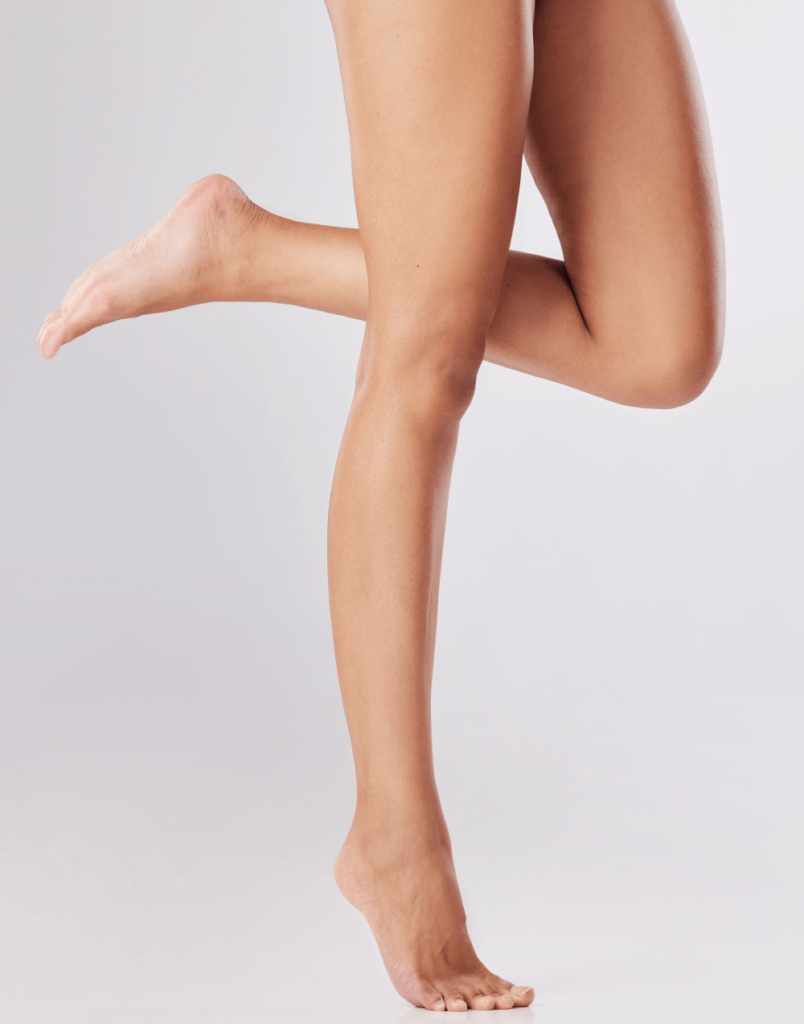
- Examination before any method is proposed. Assessment First
- Swelling and visible veins assessed separately. Vein and Lymph Check
- Chosen by the type of dimpling and skin quality. Method Matched to Findings
- Improvement varies; smooth skin is not promised. Realistic Expectations
Where she sees patients



Cellulite treatment aims to reduce the visible dimpling caused by the interaction of subcutaneous fat, fibrous connective tissue and skin quality. Suitable options range from supportive lifestyle measures to selected in-clinic procedures, but outcomes and recovery vary by method and individual features. Cellulite should also be distinguished from cellulitis, an infection that needs medical assessment.
Cellulite treatment aims to reduce the dimpled, uneven appearance of the skin over areas such as the thighs, hips and buttocks, and the degree of change varies with the method used, the type of dimpling, skin quality and personal goals. Where leg findings are unclear, a cellulite treatment assessment may be part of the first evaluation.
Clinical Approaches to Cellulite
Cellulite treatment covers a group of medical and cosmetic approaches used to soften the dimpled skin surface that appears when fat tissue, fibrous connective bands and skin characteristics interact. It is one of the most common skin changes seen in adults, is harmless in itself, and is not a disease. Because several different tissue layers contribute to the appearance, no single approach suits every person, and the amount of improvement differs from one individual to another.
Realistic framing matters. The aim is a visible improvement in appearance in suitable individuals, not completely smooth skin. Before a method is discussed, an examination usually looks at how widespread the dimpling is, whether the skin is lax, whether there is pain or tenderness in the area, recent weight changes, and any accompanying leg complaints such as swelling or heaviness. Conditions that can resemble or worsen the appearance, including fat distribution disorders assessed during a lipoedema assessment, are reviewed at this stage, since they can change what is appropriate.
A short safety note is useful: cellulite should not be confused with cellulitis, a bacterial infection of the skin and soft tissue. Increased warmth, marked redness that spreads, growing pain or fever are not features of cosmetic dimpling and may indicate infection, which requires prompt medical assessment rather than an aesthetic procedure.
What Causes Cellulite on the Legs?
Cellulite on the legs develops when enlarged fat lobules push upwards while fibrous bands, known as septa, tether the overlying skin downwards, producing the irregular surface commonly described as orange peel skin. The everyday term and the medical term describe the same structural pattern.
Several factors contribute together. Genetic structure influences how the septa are arranged, hormonal factors affect connective tissue behaviour, and skin becomes thinner and less elastic with age, which can make existing dimpling more noticeable. Fat distribution and the thickness of the dermis also play a part, which is why the appearance can be seen in slim people as well as in those carrying more weight. Weight change may alter how prominent the dimpling looks in some individuals, but weight alone does not explain the condition.
End-of-day leg swelling, aching, a sense of heaviness, bulging veins or clearly one-sided swelling should not automatically be attributed to cellulite, since varicose vein symptoms can produce similar discomfort and require their own assessment. Circulatory and lymphatic findings are not presented here as the cause of dimpling, but when venous or lymphatic conditions are present they may change what treatment plan is reasonable.
Who May Be Suitable for Cellulite Treatment?
Cellulite treatment suitability depends less on a single severity score and more on the type of dimpling, skin quality and laxity, overall health history and whether expectations are realistic. Shallow, widespread irregularity and deep, clearly tethered single dimples do not respond in the same way, so they are considered separately.
During the consultation the medical history is reviewed, including current medications, previous cosmetic or surgical procedures, pregnancy, recent weight gain or loss, skin conditions such as eczema or recurrent infections, and any leg-related complaints. If lipoedema, lymphoedema, venous insufficiency or a possible active skin infection is suspected, that problem is usually clarified first, because it can influence healing and comfort.
In people with visible leg veins, the plan may be adjusted according to the vascular findings, and minimally invasive vein treatment options are assessed separately rather than being combined automatically with a cosmetic procedure. Whether any approach is appropriate is decided after a physician’s examination.
When choosing a clinic, the qualifications of the person performing the procedure, whether the proposed method matches the examination findings, the availability of written aftercare information and a clear plan for handling complications matter more than promotional claims or result imagery.
Evidence-Based Cellulite Treatments
Some procedures can reduce the visible dimpling in selected individuals, but the available methods do not share the same level of evidence, the same depth of effect or the same duration of benefit. Published reviews describe variable outcomes across techniques and study designs, which is why results differ from person to person and cannot be stated in advance.
Procedures that target the fibrous bands themselves work on the mechanical cause of tethering. Subcision-type techniques (manual, vacuum-assisted or tissue-stabilised subcision) release selected bands beneath a dimple and are generally more suited to distinct, well-defined depressions than to diffuse rippling. They are more invasive than surface treatments, and bruising, tenderness and temporary contour irregularity are common in the weeks afterwards.
Energy-based applications such as radiofrequency, laser, focused ultrasound and acoustic wave therapy work differently, aiming to act on the dermis and subcutaneous tissue so that skin quality and firmness change gradually. Effects typically build over weeks rather than appearing immediately, and results vary considerably between individuals. Temporary redness, warmth and sensitivity in the treated area may be expected.
Vacuum and mechanical massage approaches act mainly on the tissue surface and fluid distribution. Any change tends to be modest and short-lived, and repeated sessions are usually needed to maintain whatever improvement is obtained; they should not be confused with procedures that alter structural bands.
Topical products, manual massage and home routines may improve skin comfort and hydration, but they are not shown to modify the fibrous architecture and are better regarded as supportive habits than as replacements for a procedure. Combined approaches are considered only when the clinical assessment suggests they are appropriate, since combining methods does not reliably increase benefit in every case.
When leg swelling or venous complaints accompany the dimpling, the role of vascular health in cellulite is examined separately, so that a circulatory problem is not treated as a cosmetic one. Only methods actually offered after examination are planned.
Can Cellulite Treatment Be Done at Home?
Home care may support general skin health and how a person perceives their appearance, but it should not be expected to reliably remove established structural dimpling. The tethering bands that create deeper depressions sit below the reach of surface measures.
Regular physical activity, resistance training, balanced nutrition, adequate fluid intake and avoiding smoking are sensible for general health and may influence how firm the overlying tissue looks. Weight changes can affect the appearance in some people, though cellulite is not purely a weight issue. Evidence for dry brushing, handheld massage devices and widely shared online routines is limited and outcomes are inconsistent; anything that irritates, bruises or inflames the skin is best avoided.
Creams marketed for cellulite may temporarily make skin look smoother or better hydrated, and moisturisers, tinted products and caffeine-containing formulations can alter surface appearance for a short period, but they have not been shown to change the deeper fibrous bands. Any effect depends on the product and on individual skin characteristics. If irritation, rash or burning develops, use should stop and a healthcare professional should be consulted. Product choice is better framed around safe ingredients, skin tolerance and realistic expectations.
Where swelling and visible veins accompany the leg appearance, home routines alone may not be the right starting point, and a simple vein risk check can help identify whether a medical assessment is sensible first.
What Happens During Cellulite Treatment?
The sequence of a cellulite procedure differs with the technique chosen, but it generally involves an initial consultation, mapping and planning of the treatment area, the application itself and clear aftercare instructions. Photographic documentation, where used, is a clinical record rather than promotional material.
Depending on examination findings and the person’s goals, a single procedure or a series of sessions may be considered. The number of sessions and the time each application takes are clarified at the examination, since they depend on the specific method offered and the extent of the area involved.
In most cases, people are able to return to daily activities soon afterwards, although this varies with the depth and invasiveness of the method. Mild redness, tenderness, swelling or bruising may occur depending on how deeply the tissue is treated, and these effects often settle within a few days. More invasive techniques tend to involve a longer settling period.
Where energy-based or tissue-targeted procedures are used, gradual change over several weeks may be expected as the skin remodels; this pattern does not apply to every technique. Comparisons of appearance over time can be influenced by lighting, posture, weight change and how long follow-up continues, so an individual outcome is clarified only through examination and follow-up.
How Long Do Cellulite Treatment Results Last?
The durability of results after cellulite procedures differs according to the technique used, the starting condition of the skin and underlying tissue, subsequent weight changes and age-related changes in skin elasticity. Some structural procedures tend to hold longer than surface-level approaches, but no fixed timeframe applies to everyone.
It is normal for the appearance to change over time, and partial return of dimpling is a recognised possibility rather than a sign of failure. Claims of permanent correction are not appropriate without method-specific evidence and clinical confirmation.
Habits that support general tissue health remain relevant afterwards: regular movement, maintaining muscle strength, balanced eating, adequate hydration and avoiding smoking. Salt and caffeine intake are often discussed, although they cannot be said to directly prevent or worsen the appearance. A follow-up plan, and whether any further application might be considered later, depends on the type of procedure performed and on individual goals.
What Are the Risks of Cellulite Treatment?
The risks of cellulite procedures vary with how invasive the technique is, the area treated, skin type and the person’s general health. Surface-based applications generally carry fewer risks than methods that work beneath the skin.
Depending on the method, temporary redness, swelling, tenderness, bruising and pigment changes may occur. With more invasive applications, possible problems include infection, contour irregularity that persists longer than expected, prolonged bruising, or scarring. Pre-existing skin conditions and healing tendencies can influence these risks.
Other people’s accounts of their experience can give a sense of what recovery feels like, but they cannot show whether a method is suitable for a particular person; that is decided by examination findings.
Where there is an active skin infection, unexplained one-sided leg swelling, worsening pain or significant vein-related complaints, medical assessment may be needed before any cosmetic procedure is planned. Sudden swelling of one leg, shortness of breath, chest pain, fainting or coughing up blood requires emergency care: call 112 in Türkiye or 999 in the UK.
Risk is reduced by careful patient selection, full disclosure of medical history and medications, treatment by an appropriately qualified practitioner, and clear written aftercare instructions.
Can Varicose Veins Affect Cellulite Treatment?
Varicose veins do not rule out cosmetic treatment of leg dimpling in every case, but the plan may need to be adjusted according to the type and severity of the venous findings. Veins in the treatment area can affect bruising and comfort.
Bulging veins, heaviness, swelling and skin colour or texture change around the ankle are venous findings in their own right and are not the same as cellulite, so they are assessed separately. In some situations the venous problem is addressed first; in others it is simply taken into account within the same overall care plan, and no fixed order applies to all patients.
In certain venous conditions, foam sclerotherapy is a separate injection-based procedure used for selected vein patterns. Treating veins does not automatically improve the dimpled appearance of the skin.
People who have had vein procedures often ask about vein treatment recovery, which follows its own course and differs from cosmetic aftercare.
The appropriate approach is determined after a physical examination by Op. Dr. Arzu Ercan, with assessment carried out at the Istanbul consultation, including Doppler ultrasound when leg vein findings need clarification.
Benefits of Cellulite Treatment
Possible benefits vary from person to person and depend on your health profile; the table below summarises the general aims of the treatment.
| Benefit | What This Means for You |
|---|---|
| Clear diagnosis | Cellulite is distinguished from cellulitis, lipoedema and venous swelling before treatment is discussed. |
| Method matched to dimple type | Deep, tethered dimples and diffuse rippling are approached differently. |
| Vein-aware planning | Visible veins or leg swelling are assessed separately so a circulatory problem is not treated as cosmetic. |
| Realistic expectations | The aim is visible improvement in suitable people, not completely smooth skin. |
| Aftercare guidance | Recovery expectations and warning signs are explained after the procedure. |
Frequently Asked Questions
Can cellulite treatment remove cellulite completely?
Procedures may reduce visible dimpling, but complete and permanent removal is not a realistic expectation for every person. The degree and duration of improvement depend on the method, skin characteristics and changes over time.
Is cellulite treatment painful?
Comfort varies with the procedure. Some applications cause only mild temporary discomfort, while more invasive options may require local anaesthetic or involve tenderness during the recovery period.
Are cellulite and cellulitis the same thing?
No. Cellulite describes cosmetic skin dimpling, while cellulitis is a bacterial skin infection that can cause redness, warmth, pain, swelling and fever and needs prompt medical assessment.
Can thin people have cellulite?
Yes. It can occur at many body sizes, because connective tissue structure, skin quality, hormonal factors and fat distribution all contribute to the appearance.
Can exercise make cellulite less visible?
Exercise may support muscle tone, weight stability and general health, which can influence how the skin looks. On its own it may not remove established structural dimpling.
When should leg swelling be assessed first?
New one-sided swelling, worsening pain, prominent veins, skin colour change or persistent heaviness should be assessed before a cosmetic procedure is planned.
References
- Get a Second Opinion An independent specialist assessment of your current diagnosis and treatment. Get Started
- Online Doctor Consultation Meet via a secure video call before visiting the clinic. Schedule a Call
- Ask on WhatsApp Send your questions directly to our team. Start Chatting
- Free Preliminary Assessment Share your situation and let's map out a personalised plan together. Apply