
The Role of Manual Lymphatic Drainage in Lymphoedema
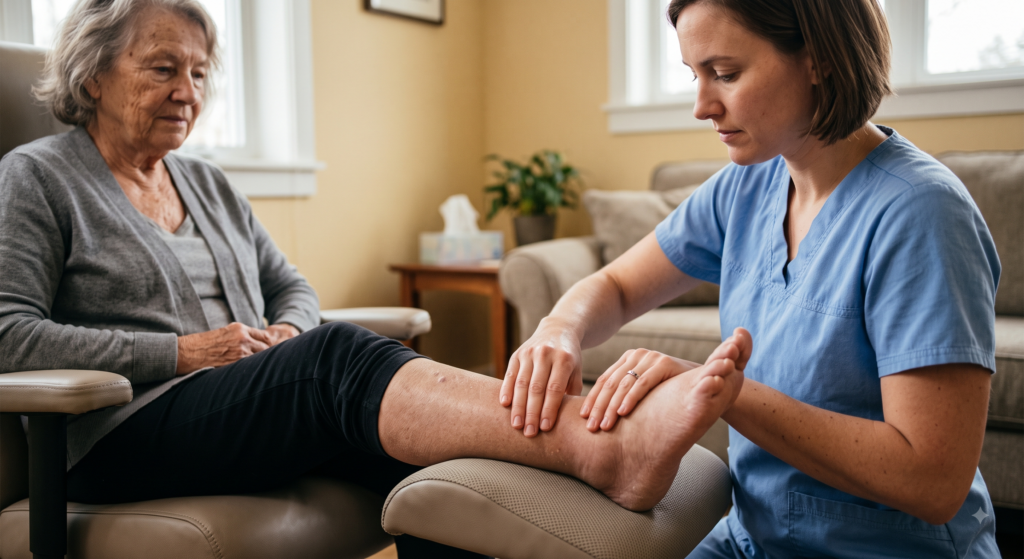
Manual lymphatic drainage is a specialised technique that supports superficial lymph flow in lymphoedema through gentle, rhythmic movements. It is most meaningful as part of complex decongestive therapy, carried out alongside compression, skin care, exercise and individualised follow-up. Suitability and the schedule of sessions vary according to the cause and stage of the lymphoedema and the condition of the tissue.
- Manual lymphatic drainage is a rhythmic technique that gently stretches the skin surface in tissue affected by lymphoedema, rather than applying deep pressure.
- For most people, MLD plays a more meaningful role when it is planned together with compression, skin care, exercise and trained self-management.
- Because the pressure and aims of classic massage differ from those of manual lymphatic drainage, choosing the right technique for an area affected by lymphoedema requires professional assessment.
- The frequency of sessions varies according to the stage of the lymphoedema, the area involved, tissue firmness and daily management needs.
- If swelling is new or increasing rapidly, particularly when accompanied by pain, redness or fever, medical assessment should come first.
Manual lymphatic drainage is a technique that helps guide lymph fluid accumulated between the tissues towards functioning lymphatic pathways, using gentle, rhythmic skin movements applied in specific directions. It is different from classic massage; it is not used on its own, but as part of a comprehensive plan within lymphoedema management.
What is manual lymphatic drainage in lymphoedema?
In lymphoedema, manual lymphatic drainage is a technique that helps direct lymph fluid towards functioning lymphatic pathways through rhythmic movements that gently stretch the surface of the skin. Known in short as MLD, this technique is carried out by trained health professionals, using circular and directional movements in which the hand gently stretches and releases the skin. The aim is to help move fluid that has become trapped in the swollen area.
Lymphoedema is a chronic condition that develops when protein-rich fluid accumulates between the tissues. It may occur in a primary form, related to congenital differences in the development or function of the lymphatic system, or in a secondary form arising from causes such as surgery, removal of lymph nodes or radiotherapy.
MLD is not a deep tissue massage. Its target is not muscle tissue or deep vascular structures, but the superficial lymphatic capillaries beneath the skin; for this reason the pressure used is noticeably light. It would not be correct to present this technique as a standalone solution that eliminates lymphoedema; its contribution is assessed within a comprehensive management plan.
A gentle, rhythmic technique that supports lymph flow
Manual lymphatic drainage supports the superficial lymph vessels in transporting fluid through movements in specific directions that gently stretch and release the skin. It is accepted that this light stretching stimulus may influence the lymph vessels’ own contraction rhythm and help fluid return to the circulation.
In practice, rather than applying intense pressure directly to the swollen area, it is preferred to first prepare the healthy areas towards which the fluid will be directed. Controlled movements then progress towards the region where the swelling is located, and the accumulated fluid is guided into functioning lymphatic channels. That said, the same anatomical route is not expected to be used in every person, nor the same level of response obtained; the lymphatic structure and the distribution of oedema vary from person to person.
In long-standing lymphoedema, hardening of the tissue, that is, fibrosis, may develop. Changes in the structure of the tissue may affect the direction and duration of the movements as well as the session plan. How long the relief felt after a session, or a change in circumference measurements, lasts is also largely related to the regular use of compression and to daily self-management.
Breathing is also accepted to contribute to lymph flow; for this reason, deep and calm breathing movements may accompany the technique in some applications. Where the session begins, which lymph regions are prepared and how many times the movements are repeated are determined according to the person’s examination findings.
Differences between classic massage and MLD
Manual lymphatic drainage and classic massage are different approaches in terms of the pressure applied, the target tissue and the aim of treatment. While classic massage may be used to reduce muscle tension and provide relaxation, MLD is a medical technique that targets the superficial lymphatic structures and requires separate training.
- Level of pressure: Classic massage may use moderate or firm pressure; in MLD there is only a very light contact that stretches the skin.
- Target tissue: Muscles and tendons in classic massage; the lymph capillaries and lymph pathways beneath the skin in MLD.
- Aim: Muscle relaxation and comfort; in MLD, directing lymph fluid and managing oedema.
- Direction of application: Variable in classic massage; in MLD a planned sequence is followed towards functioning lymph regions.
- Assessment in lymphoedema: A professional assessment is required before MLD; random application may not be appropriate.
Firm or unplanned massage may cause discomfort in tissue affected by lymphoedema and may contribute to increased swelling. For this reason, attempting intensive massage on your own is not recommended. Pressure firm enough to cause bruising or pain is not part of the MLD technique; if pain, marked tenderness or changes in the skin occur during the session, the plan should be reassessed.
The relationship between oedema in the tissues and the accumulation of fat beneath the skin is often confused with the expectations of classic massage, and frequently requires distinguishing cellulite from lymphoedema.
The place of MLD in complex decongestive therapy
Manual lymphatic drainage is one of the components of complex decongestive therapy that supports the control of oedema. This approach, abbreviated as CDT, is also commonly described as the holistic management of lymphoedema and relies on several measures being maintained together.

- Manual lymphatic drainage: Directing the fluid that accumulates between tissues towards functioning lymph pathways.
- Appropriate compression: Supporting the pressure in the tissue with bandaging, a compression garment or stockings.
- Skin care: Keeping the skin clean and moisturised.
- Therapeutic exercise: Individualised movements that activate the muscle pump.
- Informed self-management: Teaching the daily routine and follow-up habits.
Compression may help limit fluid from building up again in tissue that has been decongested after drainage. Which bandage, garment or stocking is used, the compression class and the wearing time are based on individual assessment, and the same product may not be suitable for everyone. The aim of skin care is to reduce the risk of cracking, irritation and related infection; skin infections such as erysipelas are monitored more carefully in an area affected by lymphoedema. Therapeutic exercise, in turn, supports circulation and lymph flow through the muscle pump.
The steps extending from non-surgical options to interventional or surgical methods in cases where they are necessary are planned following a medical examination. The weight given to MLD within this plan is not fixed; it varies according to the type and stage of the lymphoedema, the condition of the skin and tissues, and the person’s daily life needs.
Is manual lymphatic drainage enough on its own?
In most cases of lymphoedema, manual lymphatic drainage on its own may not be enough for long-term control of swelling. After a single session, people may describe less tightness, a lighter feeling in the limb or softening of the tissue; however, this response is not the same in everyone and how long it lasts varies from person to person.
The tendency for swelling to build up again may be related to whether compression is used regularly, the level of daily activity, skin care habits, the underlying cause of the lymphoedema and the changes that have already developed in the tissue. Although regular management started at an early stage is known to help limit the development of fibrosis, this does not mean it is definitely prevented.
Feeling better, or feeling disappointed, after a session is not on its own a sufficient reason to change the plan. The frequency and content of treatment are reviewed together with your doctor and a trained lymphoedema therapist, based on follow-up findings.
In which lymphoedema situations is MLD considered?
Manual lymphatic drainage may be considered in primary or secondary lymphoedema after an assessment of suitability. Primary lymphoedema is related to differences in the development or function of the lymphatic system that are present from birth; secondary lymphoedema may arise after surgery, removal of lymph nodes, radiotherapy, trauma or for other reasons.
The assessment takes into account findings such as swelling of the arm or leg, a feeling of heaviness and tightness, difficulty moving, clothing or jewellery becoming tight, and thickening of the skin. How long the findings have been present, whether they affect one or both sides, and previous treatments also influence planning.
Newly developed swelling on one side is not automatically assumed to be lymphoedema; it is important to rule out venous problems, infection, medication effects or other systemic conditions. Leg swelling during travel, which occurs after a long flight or prolonged immobility and settles within a short time, may also not mean the same thing as lymphoedema.
Factors that shape the session plan
The frequency and total duration of manual lymphatic drainage sessions are planned individually according to the stage of the lymphoedema, the area involved and the condition of the tissue. Several sessions a week may be carried out in the initial period, with a move to less frequent maintenance sessions later on; this is not a fixed programme that applies to everyone.
Factors that influence planning include how much the swelling varies during the day, the presence of fibrosis, skin integrity, how well compression is tolerated, mobility and any accompanying conditions. No promise of a result or success is made on the basis of a particular number of sessions; changes are assessed at follow-up through measurements and examination.
Follow-up usually considers arm or leg circumference measurements, examination findings such as firmness and tightness of the skin, and the person’s difficulty with everyday activities, all together. Seasonal changes, weight change, work that requires standing for long periods or an infection may also make it necessary to review the plan.
If pain, redness of the skin, marked tenderness or a sudden increase in swelling develops during the process, the right step is not to arrange a new series of sessions but to seek a clinical assessment.
The limits of self-drainage at home
Self-drainage at home can support the main treatment through a limited set of techniques taught by a trained health professional. It is expected to be carried out after the appropriate direction, level of pressure and sequence of movements have been demonstrated for the individual; this practice does not replace professionally performed MLD.
Home care is not only a matter of hand movements. Putting on the compression garment correctly and using it regularly, keeping the skin clean and moisturised, and maintaining a daily pattern of movement are all parts of the same whole. Intense pressing, kneading or vigorous massage techniques shared online may not be suitable for tissue affected by lymphoedema.
If the compression garment wears out, if its elastic structure loosens, or if it feels tight enough to leave marks on the skin, a check-up is advised rather than changing the size on your own. Seemingly minor problems such as cuts in the skin, insect bites or irritation around the nails are also monitored more closely in an area affected by lymphoedema.
If symmetrical swelling in the legs, tenderness and easy bruising accompany the picture, lipoedema may also be considered; as its symptoms and management are not the same as those of lymphoedema, assessment for lipoedema forms a separate topic in the differential diagnosis.
Situations requiring medical assessment before MLD
Swelling that is new, rapidly increasing or one-sided requires medical assessment before manual lymphatic drainage. If the swelling is accompanied by redness, increased warmth, marked pain, fever, discharge from the skin or deterioration in general condition, the picture may be related to an infection or another condition requiring urgent assessment.
In people with known lymphoedema, re-examination is also advised if the swelling increases unusually, a new wound opens in the skin or marked hardening develops. A cardiovascular surgeon can assess causes arising from the circulatory system; where necessary, collaboration with branches such as physiotherapy, dermatology or infectious diseases may take place.
The medical examination is the main decision point in determining a plan suited to the individual and in deciding whether the treatment is safe. The assessment is carried out by Dr Arzu Ercan at the Acıbadem Kozyatağı Hospital consultation in Istanbul, through physical examination and, where needed, Doppler ultrasound.
Frequently Asked Questions
Is MLD painful?
Manual lymphatic drainage is usually a technique applied with light pressure, and pain is not an intended part of it. If pain, marked tenderness or an unusual complaint appears after the session, the situation should be assessed with a health professional.
Does manual lymphatic drainage remove the oedema completely?
In some people, MLD may contribute to controlling oedema and reducing the feeling of tightness; however, as lymphoedema can be a chronic condition, results vary. In the long term, compression, skin care, movement and regular follow-up are also important.
Can MLD be performed while wearing a compression stocking for lymphoedema?
The order and form of compression and MLD are determined according to the person’s treatment plan. The bandage or compression garment used should be planned by a trained team according to the characteristics of the lymphoedema.
Does every swelling mean lymphoedema?
Not every swelling is caused by lymphoedema. Travel, venous problems, medicines, infections or other health conditions may also lead to swelling, so new or one-sided swelling needs to be assessed.