
Heart Valve Surgery: Repair or Replacement? Treatment Options for Heart Valve Disease
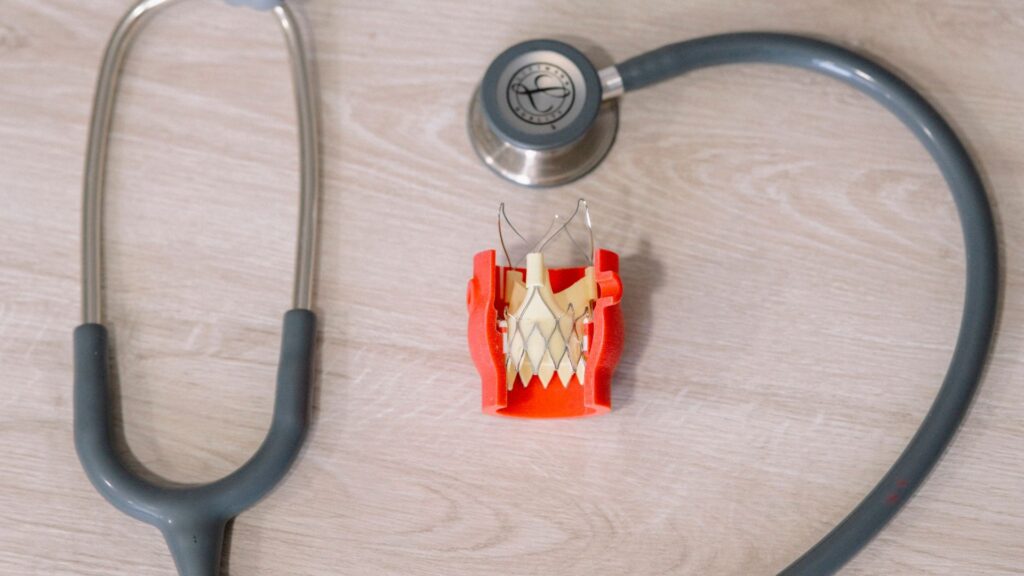
Heart valve surgery repairs or replaces a valve with severe narrowing (stenosis) or leakage (regurgitation) that is causing symptoms or straining the heart. Repair, which keeps the person’s own valve, is preferred when it can give a durable result; otherwise the valve is replaced with a mechanical prosthesis (lifelong, but lifelong anticoagulation) or a biological one (usually 10–20 years, little long-term anticoagulation). Open surgery takes about 3–5 hours, hospital stay about a week and full recovery 2–3 months; TAVI is an alternative for older or high-risk patients.
- Heart valve surgery is considered when stenosis or regurgitation is severe and is causing symptoms, enlarging the heart or reducing its pumping function; mild and moderate disease is usually monitored.
- Valve repair, which keeps the person’s own valve, is preferred when a durable result is achievable, especially for mitral regurgitation.
- A mechanical valve lasts a lifetime but needs lifelong warfarin and INR checks; a biological valve avoids long-term anticoagulation but typically wears out after 10–20 years.
- Open surgery usually takes 3–5 hours, with 1–2 days in intensive care, about a week in hospital and 2–3 months to full recovery.
- TAVI and other transcatheter procedures are alternatives for patients aged 75 or over or at high surgical risk; a Heart Team decides, and regular echocardiography follows every operation.
Heart valve surgery repairs or replaces a valve that no longer opens (stenosis) or closes (regurgitation) properly. Repair, which keeps the person’s own valve, and replacement with a mechanical or biological prosthesis are the two main routes; in selected patients a transcatheter procedure such as TAVI can take the place of open surgery. The choice follows examination and echocardiography rather than a single rule, and this guide explains when surgery is needed, how the options differ, what the operation and recovery involve, and what to expect afterwards.
Valve surgery at a glance
The table below summarises the main points people usually ask about before a detailed clinical discussion.
| Question | Short answer |
|---|---|
| Main purpose | To restore normal blood flow through a narrowed or leaking valve and protect heart function |
| Repair | The person’s own valve tissue is preserved and its function corrected; preferred for most mitral regurgitation when feasible |
| Replacement | The valve is replaced with a mechanical prosthesis (lifelong, lifelong anticoagulation) or a biological one (usually 10–20 years, little or no long-term anticoagulation) |
| Anaesthesia | General anaesthesia |
| Operative approach | Conventional open surgery, minimally invasive surgery through a smaller incision, or transcatheter routes (TAVI/TAVR, MitraClip) in selected anatomy |
| How long it takes | Usually 3–5 hours for open surgery; longer if bypass or aortic surgery is combined; TAVI typically 1–2 hours |
| Hospital stay | Typically 1–2 days in intensive care and about a week in hospital; 2–3 days after TAVI |
| Recovery | Breastbone heals in 6–8 weeks; most people feel fully recovered in 2–3 months; no driving for at least 4 weeks and no heavy lifting for 3 months |
| Individual assessment needed | Frailty, advanced organ disease, active infection, previous heart operations |
| Where | Op. Dr. Arzu Ercan: Acıbadem Kozyatağı Hospital, Istanbul; consultations also in London (Bilba Clinic, MedPlus Clinic) |
Each row is a starting point rather than a decision. The relevant details are confirmed by examination and imaging in each case.
What does heart valve surgery involve?
Heart valve surgery mainly involves repairing the native valve or replacing it when severe narrowing or leakage is affecting heart function or causing symptoms. Narrowing, known medically as stenosis, means the valve does not open fully. Leakage, known as regurgitation, means it does not close fully. Where significant valve disease is left untreated, the extra workload placed on the heart can contribute to heart failure over time.
The decision follows clinical assessment and imaging. The affected valve, the severity of the problem, the symptoms reported, the pumping function of the heart, age, general health and any other cardiac conditions are weighed together rather than judged on a single measurement. Most valve operations involve the mitral or aortic valve, because disease on the left side of the heart affects the circulation to the body and tends to cause symptoms earlier.
Not every operation uses the same access route. Conventional open surgery goes through the breastbone with the heart-lung machine taking over the circulation. Minimally invasive surgery reaches the valve through a smaller incision between the ribs or a partial sternotomy, which usually shortens recovery. Transcatheter procedures, performed through a blood vessel without opening the chest, include TAVI (transcatheter aortic valve implantation, also called TAVR) for aortic stenosis and MitraClip-type edge-to-edge repair for mitral regurgitation. Suitability for each route depends on the anatomy of the valve and surrounding vessels as well as the estimated operative risk, and the surgical team explains which of them is realistic in a given case rather than applying one pathway to everyone.
When does heart valve disease need surgery?
Heart valve disease is usually considered for surgery when narrowing or leakage is severe and is producing symptoms, reducing heart function, enlarging the heart chambers or creating a substantial risk of further deterioration. The threshold is therefore clinical as well as anatomical.
Symptoms such as breathlessness, reduced exercise tolerance, chest discomfort, palpitations, fainting or swelling of the ankles are interpreted alongside echocardiography rather than in isolation, because similar complaints arise from lung disease, anaemia and rhythm disorders. Sudden chest pain, marked breathlessness or fainting needs urgent assessment; in such situations the local emergency number (112 in Türkiye) should be called immediately.
Echocardiography remains the central test, measuring valve gradients, leakage severity, chamber size and pumping function. Clinical examination adds information about murmurs, fluid retention and functional capacity, and further imaging such as computed tomography or cardiac magnetic resonance is sometimes requested when findings are unclear. Finding a valve abnormality does not by itself mean an operation is due; mild and moderate disease is usually monitored at defined intervals until established intervention criteria are reached.
Can a heart valve be repaired instead of replaced?
Valve repair is preferred when a durable repair is technically achievable, because it preserves the person’s own valve tissue and restores its function rather than substituting it. Repair is particularly relevant to selected mitral and tricuspid valve problems, and for degenerative mitral regurgitation it is the recommended first choice in experienced centres.

Feasibility depends on which valve is involved, the extent of leaflet or cusp damage, the degree of calcification, any history of valve infection and the mechanism behind the leakage or narrowing. At a general level, repair may involve reshaping leaflets, supporting the valve ring with an annuloplasty device or reconstructing affected supporting structures. Some aortic valve conditions are assessed together with the ascending aorta, since aortic aneurysm diagnosis can change operative planning when the aorta is also enlarged, and an enlarged segment may itself require repair in the same setting.
Replacement is chosen when repair is unlikely to give a reliable long-term result or the valve is too damaged to reconstruct, as is usually the case in calcific aortic stenosis and advanced rheumatic disease. The judgement is made with imaging beforehand and, in some cases, confirmed during the operation itself.
How do mechanical and biological replacement valves differ?
Mechanical and biological valves differ mainly in durability, the need for long-term anticoagulation and the personal factors that influence suitability. Mechanical valves are made of pyrolytic carbon and metal alloy and are expected to last a lifetime, but everyone who has one needs lifelong anticoagulation with warfarin and regular INR blood tests, which brings careful management of bleeding risk. Biological valves are made from treated bovine or porcine tissue; they usually free the person from long-term anticoagulation after the first three months, but the tissue deteriorates over time, typically after 10–20 years and sooner in younger patients, so a further procedure may eventually be needed. In some cases a worn biological valve can be treated with a transcatheter valve-in-valve procedure rather than repeat open surgery.
Age, lifestyle, pregnancy plans, bleeding risk, kidney disease, other reasons for taking anticoagulants and personal priorities are discussed together. The 2021 ESC/EACTS guideline suggests a mechanical valve for patients under about 60 in the aortic position and under 65 in the mitral position, and a biological valve for those over 65 (aortic) or 70 (mitral); between those ages, and whenever personal circumstances point the other way, the decision is individual. Neither type is better for everyone, and age rules are a guide rather than a substitute for assessment.
| Option | Durability | Anticoagulation | Principal advantage | Principal trade-off | Usually favoured for |
|---|---|---|---|---|---|
| Mechanical valve | Lifelong; structural failure very rare | Lifelong warfarin with regular INR monitoring | Very unlikely to need replacing | Bleeding risk and daily medication | Younger patients, those already on anticoagulants, those who can attend monitoring |
| Biological (tissue) valve | Typically 10–20 years; shorter in younger patients | Usually only the first 3 months unless another indication exists | Freedom from long-term anticoagulation | Possible re-intervention when the valve wears | Older patients, high bleeding risk, pregnancy plans, inability to take anticoagulants |
| Valve repair | Durable in most degenerative mitral cases | Short-term, depending on rhythm and other indications | Own valve tissue preserved; lower infection and clot risk | Not technically feasible in every case | Mitral and tricuspid regurgitation with suitable anatomy |
The final choice follows a clinician-led discussion and, where appropriate, a multidisciplinary heart-team assessment.
Can valve surgery be combined with coronary bypass surgery?
Valve surgery can be combined with coronary artery bypass grafting when clinically important coronary artery disease is identified in a person who already needs valve intervention. In selected patients both procedures are carried out in the same operation.
Coronary imaging, usually angiography, shows the extent and location of any narrowing. That information is considered together with valve severity, heart function and overall operative risk when deciding whether a combined operation is appropriate. The coronary problem is also judged on its own terms, and coronary bypass suitability is assessed before the two plans are brought together.
The technical details of grafting are explained separately during bypass surgery planning. Not every episode of chest pain and not every narrowed coronary artery calls for bypass grafting; some are managed with medication or stenting. A combined operation takes longer than valve surgery alone and recovery follows the longer of the two timelines.
Who is not suitable for open heart valve surgery, and what are the alternatives?
Open heart valve surgery may be unsuitable when the expected operative burden outweighs the likely benefit, or when coexisting medical conditions make conventional surgery excessively hazardous. Open heart surgery, sometimes called conventional valve surgery, is one route among several possible approaches.
Frailty, severe lung disease, advanced kidney or liver disease, major neurological impairment, active infection elsewhere in the body, previous cardiac operations and the technical features of the valve, chest wall or blood vessels can all shift the balance between benefit and risk. Operative risk is estimated with scores such as EuroSCORE II and STS-PROM. These are not entries on a fixed contraindication list; suitability is determined through individual assessment, imaging and multidisciplinary discussion.
When conventional surgery is not appropriate, other options are weighed. For aortic stenosis, the 2021 ESC/EACTS guideline recommends TAVI for patients aged 75 or over and for those at high surgical risk or unsuitable for surgery, while surgical valve replacement remains the first choice for younger, low-risk patients; in between, a Heart Team of cardiologists, cardiac surgeons and imaging specialists weighs age, life expectancy, vascular anatomy and other conditions. TAVI usually takes 1–2 hours with a hospital stay of 2–3 days, but long-term durability data and the need for a pacemaker in some patients are still being compared with surgery. For mitral regurgitation, transcatheter edge-to-edge repair (MitraClip-type devices) is an option in selected high-risk patients. Optimisation of medical treatment or a structured monitoring programme may also be appropriate.
How long does recovery after valve surgery take?
Recovery after heart valve surgery is gradual, and its pace is shaped by the operation performed, the surgical approach, health before the operation and whether another cardiac procedure was carried out at the same time. As a general guide, patients spend 1–2 days in intensive care and about a week in hospital after open surgery; the breastbone takes 6–8 weeks to heal, and most people feel fully recovered after 2–3 months. Driving is usually deferred for at least 4 weeks and heavy lifting for about 3 months; desk work can often resume at 6–8 weeks, physically demanding work later. Minimally invasive and transcatheter approaches shorten these timelines.
The usual stages are close monitoring in hospital immediately afterwards, progressive mobilisation, a pain management plan, breathing exercises to protect the lungs, guidance on wound care and a phased return to everyday tasks. Fatigue, disturbed sleep, changes in appetite and emotional adjustment are common during this period. Symptoms that persist or worsen need clinical review rather than patience alone.
Driving, returning to work, lifting and exercise should follow the surgical team’s individual instructions rather than a generic schedule. Cardiac rehabilitation, which typically runs for 8–12 weeks, and prescribed medication, including anticoagulation where it applies, form part of the recovery plan and are reviewed as healing progresses.
Longer-term follow-up uses regular echocardiography, usually in the first months and then about once a year, to monitor valve function, chamber size and overall cardiac performance, alongside review of symptoms, heart rhythm, blood pressure and anticoagulation where it is prescribed. A repaired valve is watched mainly for recurrent leakage and a prosthesis for prosthetic function and tissue durability, but both need an agreed surveillance plan, and anyone with a prosthetic or repaired valve needs antibiotic precautions before dental procedures to reduce the risk of endocarditis. New breathlessness, falling exercise tolerance, palpitations, fever or unexplained swelling should be reported promptly, while sudden severe symptoms require emergency assessment. New problems can appear over the years, and the decision about whether and when to operate again is made after examination and imaging by Op. Dr. Arzu Ercan. Consultations take place in Istanbul (Acıbadem Kozyatağı Hospital) and London (Bilba Clinic, MedPlus Clinic).
Frequently asked questions
Is heart valve surgery painful?
Anaesthesia prevents awareness during the operation. Pain and discomfort afterwards, mainly from the chest incision, are managed with an individual plan and usually ease over the first two to three weeks as healing progresses.
How long does heart valve surgery take?
Open heart valve surgery usually takes 3–5 hours, longer when bypass grafting or aortic surgery is combined. TAVI typically takes 1–2 hours. The surgical team gives a more individual estimate after assessment.
How long is the hospital stay after valve surgery?
Typically 1–2 days in intensive care and about a week in hospital overall after open surgery. Minimally invasive surgery can shorten this, and most patients go home 2–3 days after TAVI.
When are the results of valve surgery noticeable?
Valve function is assessed early with clinical review and echocardiography, often before discharge. Breathlessness usually improves within weeks, while energy levels and exercise tolerance recover more gradually over 2–3 months, helped by cardiac rehabilitation.
How long does a replacement heart valve last?
A mechanical valve is expected to last a lifetime. A biological valve typically lasts 10–20 years, less in younger patients, after which a further procedure, sometimes a transcatheter valve-in-valve, may be needed. A successful repair is durable in most degenerative mitral cases.
Will a mechanical valve require blood-thinning medicine?
Yes. Mechanical valves require lifelong anticoagulation with warfarin and regular INR blood tests. Biological valves and repairs usually need anticoagulation only for the first three months unless another condition, such as atrial fibrillation, calls for it.
What is TAVI, and who is it for?
TAVI (transcatheter aortic valve implantation, or TAVR) replaces a narrowed aortic valve through a catheter, usually from the groin, without opening the chest. Current European guidance recommends it for patients aged 75 or over and for those at high surgical risk; younger, low-risk patients are usually advised to have surgical replacement. A Heart Team decides in the cases in between.
Can heart valve disease return after surgery?
A repaired or replacement valve can develop new problems over time, although the likelihood and pattern depend on the original disease, the procedure and the valve type. Regular echocardiography is how such changes are caught early.
Does recovery require cardiac rehabilitation?
A structured rehabilitation programme, usually 8–12 weeks of supervised exercise and education, is recommended to rebuild exercise tolerance safely. The content and timing are adapted to the operation performed and to general health.
Can an international patient arrange heart valve surgery from abroad?
Planning usually involves sharing medical records and imaging for preliminary review, arranging travel only after clinical suitability has been considered, and organising follow-up requirements before departure. Op. Dr. Arzu Ercan sees patients in Istanbul and holds consultations in London.
Can valve surgery be performed at the same time as bypass surgery?
It can be considered when significant coronary artery disease and a valve condition both require treatment, but the decision depends on imaging findings and overall operative risk.
What follow-up is needed after valve replacement?
Echocardiography in the first months and then about once a year, review of symptoms and rhythm, INR monitoring for mechanical valves, and antibiotic precautions before dental work to reduce the risk of endocarditis.